If you own or are considering a short-term rental in the Black Hills, understanding Black Hills seasonal demand is the difference between “nice extra income” and a property that pulls its weight all year. The Black Hills don’t behave like a simple summer-only market — there are clear peaks, profitable shoulder seasons, and small but mighty micro-peaks most owners don’t fully tap into.
In this guide, we’ll walk through how Black Hills seasonal demand really works, what it means for your occupancy and nightly rates, and how to build a 12-month plan that makes slower months work for you instead of against you.
1. The Four Seasons of Black Hills Demand
While every property and sub-market (Deadwood, Lead, Hill City, Custer, Keystone, Spearfish, Sturgis, etc.) has its quirks, Black Hills seasonal demand tends to follow four broad patterns:
Summer Peak (June–August)
- Highest demand of the year: families, road-trippers, and national park visitors.
- Weekends often book far in advance; midweek can be strong with the right pricing.
- Opportunity to push ADR, especially for larger homes and cabins with views or hot tubs.
Event Peaks (Especially Sturgis Rally)
- Sturgis Motorcycle Rally (early August) can behave like its own “mini season.” Official Rally Info
- Demand radiates out: Deadwood, Lead, Spearfish, Rapid City, and even Hill City/Custer feel the lift.
- Premium ADR and longer minimum stays are common — if you plan early.
Spring & Fall Shoulder Seasons (April–May, September–October)
- Quieter, but not dead. Great for couples, retirees, and off-peak park visitors.
- More price-sensitive guests, but fewer competing crowds.
- Good time to target longer stays and “work-from-anywhere” guests.
Winter & Micro-Peaks (November–March)
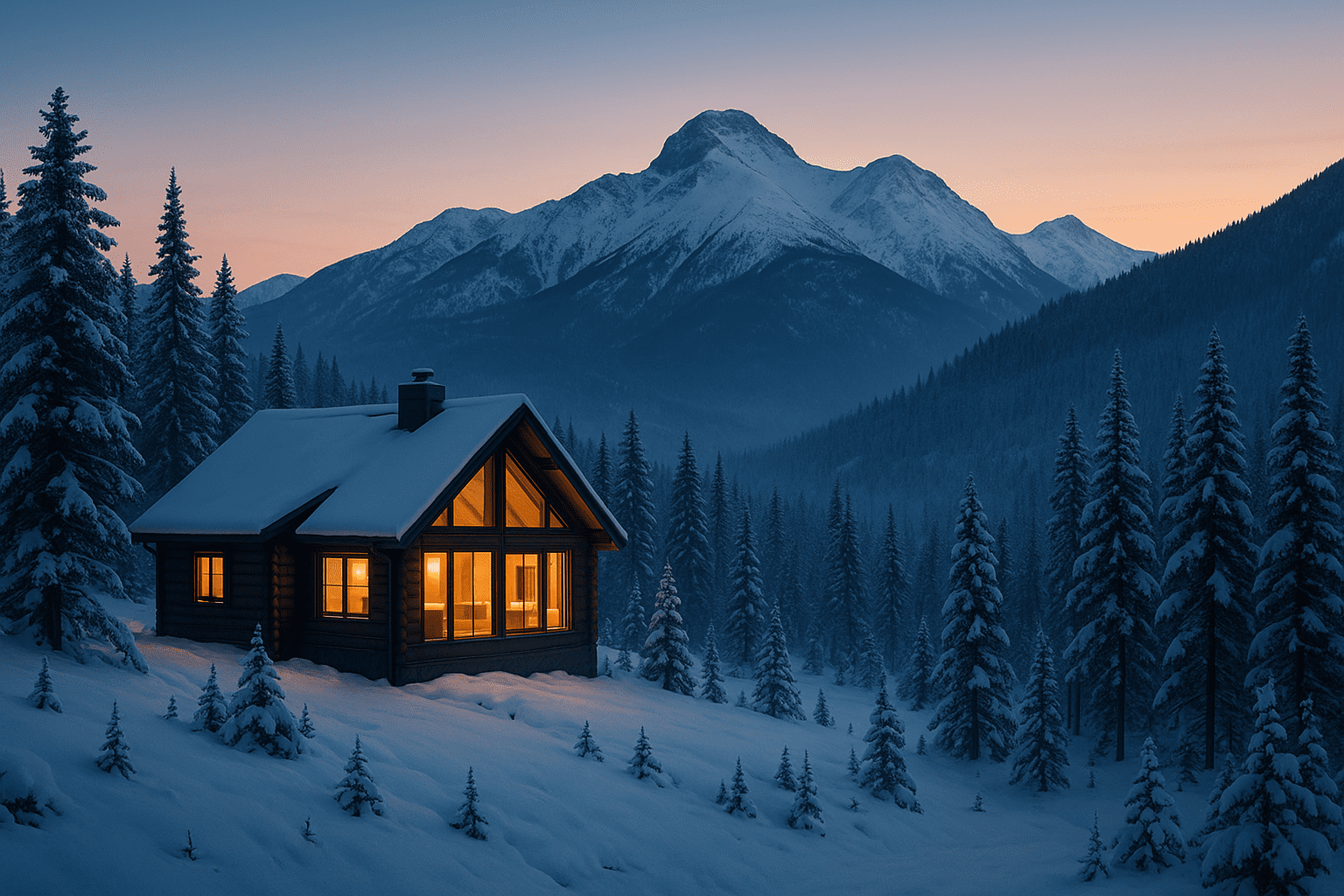
- Overall demand drops — but ski areas, winter events, and holidays create pockets of high value.
- Cabins with cozy vibes, fireplaces, and hot tubs tend to outperform basic stays.
- Longer weekend stays and holiday weeks can still deliver strong revenue.
The key is less about guessing the weather and more about building your pricing and marketing around how Black Hills seasonal demand actually behaves.
2. What Seasonal Demand Means for Your Occupancy & Rates
Once you understand the rhythm of Black Hills seasonal demand, you can stop treating every month the same and start making deliberate decisions about:
- Occupancy vs. Rate: In peak season, you prioritize ADR. In slower seasons, you focus more on occupancy and length of stay.
- Minimum Nights: During big events or high-demand weekends, you can raise your minimum stay. In slow weeks, dropping to 2 nights can unlock more bookings.
- Lead Time: Peak-season guests book sooner; shoulder and winter guests often book closer to arrival. Your pricing needs to adjust accordingly.
A one-size-fits-all nightly rate leaves money on the table in summer and still doesn’t fully solve winter gaps. A seasonal strategy that matches Black Hills seasonal demand will smooth out your occupancy and increase total annual revenue.
3. Building a 12-Month Strategy Around Black Hills Seasonal Demand
Here’s a simple way to think about your year as an owner:
Summer & Event Peaks: Maximize Revenue
- Use dynamic pricing tools or a revenue strategy (like Lunigo’s) to keep rates aligned with demand.
- Require longer minimum stays during rally weeks and peak holidays.
- Highlight proximity to major draws like Mount Rushmore, Custer State Park, Terry Peak Ski Area, or Deadwood casinos.
Shoulder Seasons: Keep the Calendar Moving
- Offer mild discounts vs. peak, but don’t race to the bottom.
- Target longer stays, couples, and remote workers who like quieter travel.
- Update your listing to call out hiking, fall colors, and “quiet retreat” positioning.
Winter & Micro-Peaks: Play a Different Game
- Make sure your listing copy speaks to winter stays: skiing, snowmobiling (Black Hills Trail System), hot tubs, fireplaces, game rooms.
- Use competitive pricing to attract weekend trips and holiday families.
- Plan larger maintenance projects for true slow periods while keeping key dates open.
When your calendar, rates, and listing are aligned with Black Hills seasonal demand, you’re not surprised by slowdowns — you’re prepared for them and using them strategically.
4. Interactive: Explore Seasonal Demand by Month
Use this quick tool to see how a typical month fits into the broader Black Hills seasonal demand pattern and how you might approach it as an owner.
Select a month to see how demand usually behaves and how you might adjust your strategy.
5. How Lunigo Helps Owners Ride the Seasonal Curve
You don’t have to memorize every nuance of Black Hills seasonal demand to win here. What you do need is a plan that:
- Uses data and local knowledge to set smart base rates and seasonal adjustments.
- Responds to big events (like the Sturgis Rally) with intentional minimum stays and premium pricing.
- Turns shoulder and winter seasons into steady, predictable revenue instead of “dead months.”
At Lunigo, we blend dynamic pricing tools with real-world experience in markets like Deadwood, Lead, Custer, and Hill City to help owners capture more revenue without turning their property into a full-time job. If you’d like to understand what this could look like for your specific home or cabin, our revenue calculator is a great place to start — and we’ll help you interpret the results.
Want a Seasonal Plan for Your Black Hills Property?
If you own (or are considering) a cabin, home, or condo in the Black Hills, we can map out how Black Hills seasonal demand applies to your exact property — including projected occupancy, average nightly rates, and key event weeks to watch.
Share a few details about your place, and we’ll build a custom revenue outline so you can see what’s possible before you make your next move.
Get a Black Hills Revenue Game Plan